Ruiying Steel Rebar for Metallurgy: One-Stop Procurement with Full Specifications
Rebar; Galvanized rebar; Rebar direct sales; Rebar manufacturer; Rebar price
Specifications
Product details
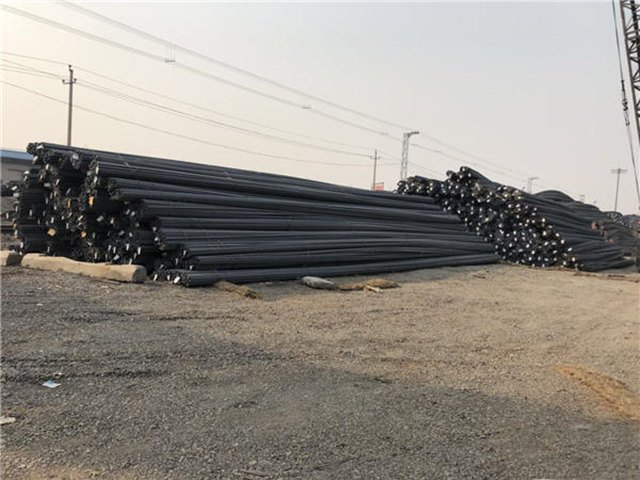
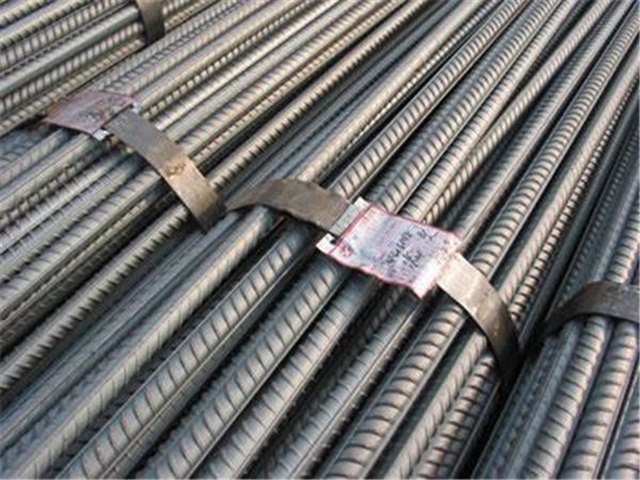
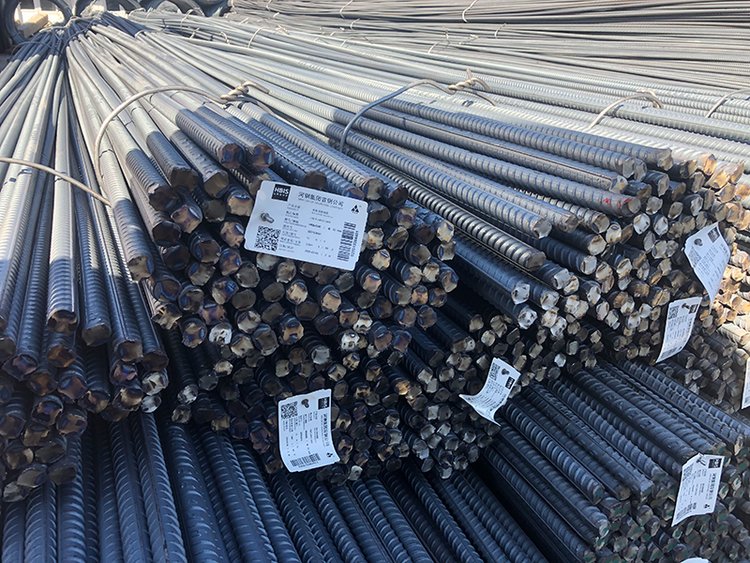
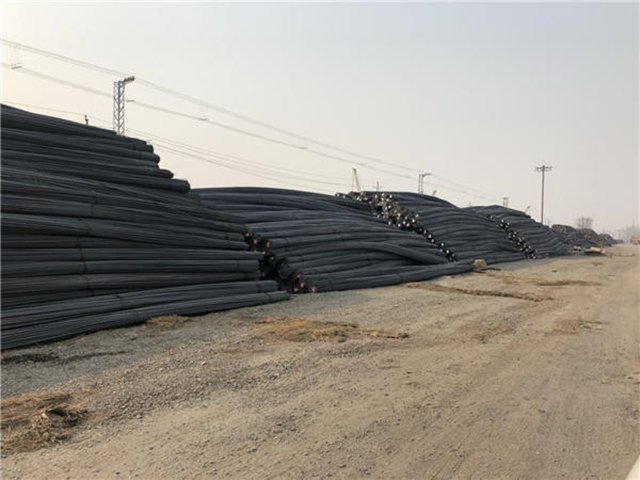
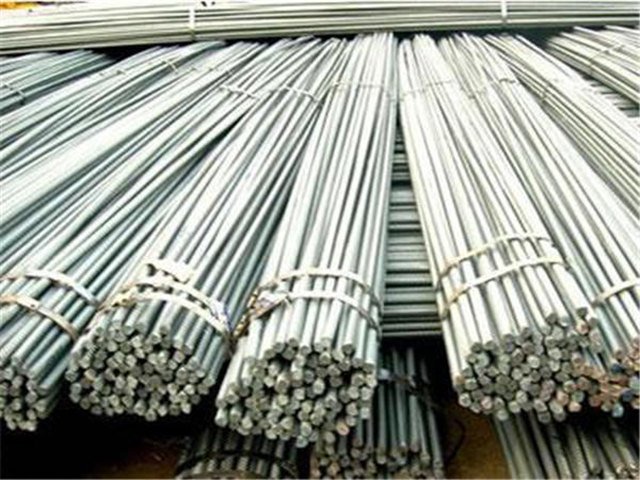
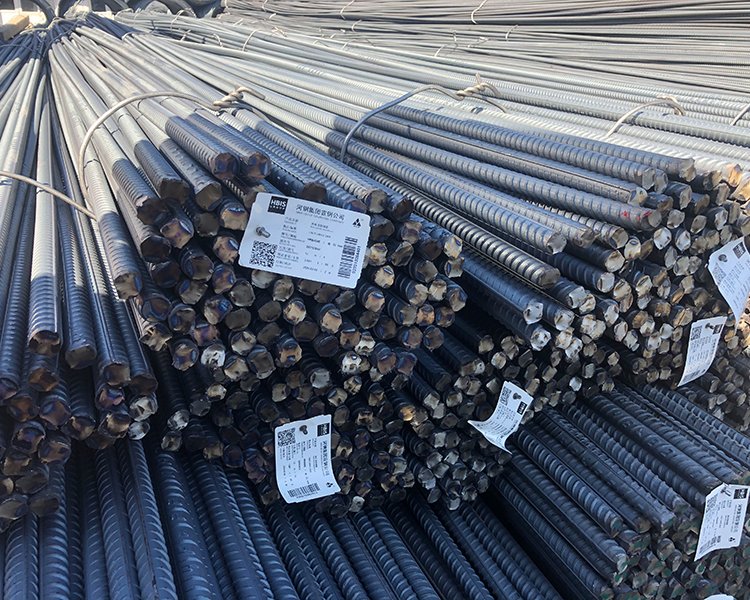
There are two common classification methods for rebar: one is by geometric shape, classified according to the cross-section shape of transverse ribs and the spacing between ribs, such as the British Standard (BS4449) which divides rebar into Type I and Type II. This classification mainly reflects the gripping performance of rebar. The other is by performance (grade), for example, under China's current standard (GB1499.2-2007 for rebar, 1499.1-2008 for wire rod), rebar is divided into three grades based on strength level (yield point/tensile strength). Under the Japanese Industrial Standard (JIS G3112), rebar is divided into five types based on comprehensive performance. The British Standard (BS4461) also specifies several grades for rebar performance testing. Additionally, rebar can be classified by application, such as ordinary steel bars for reinforced concrete and heat-treated steel bars for prestressed reinforced concrete.
The specification requirements for rebar should be clearly stated in import/export trade contracts, generally including the standard grade (type code), nominal diameter, nominal weight (mass), specified length, and tolerance values for these indicators. The Chinese standard recommends nominal diameters of 6, 8, 10, 12, 16, 20, 25, 32, 40, and 50 mm for rebar series. Supplied lengths are divided into fixed lengths and multiple lengths. For Chinese exported rebar, the fixed length selection range is 6–12 m, while for Japanese-produced rebar, it is 3.5–10 m.